Why Meditation Sometimes Makes You Feel Worse First — And Why That's Actually Working
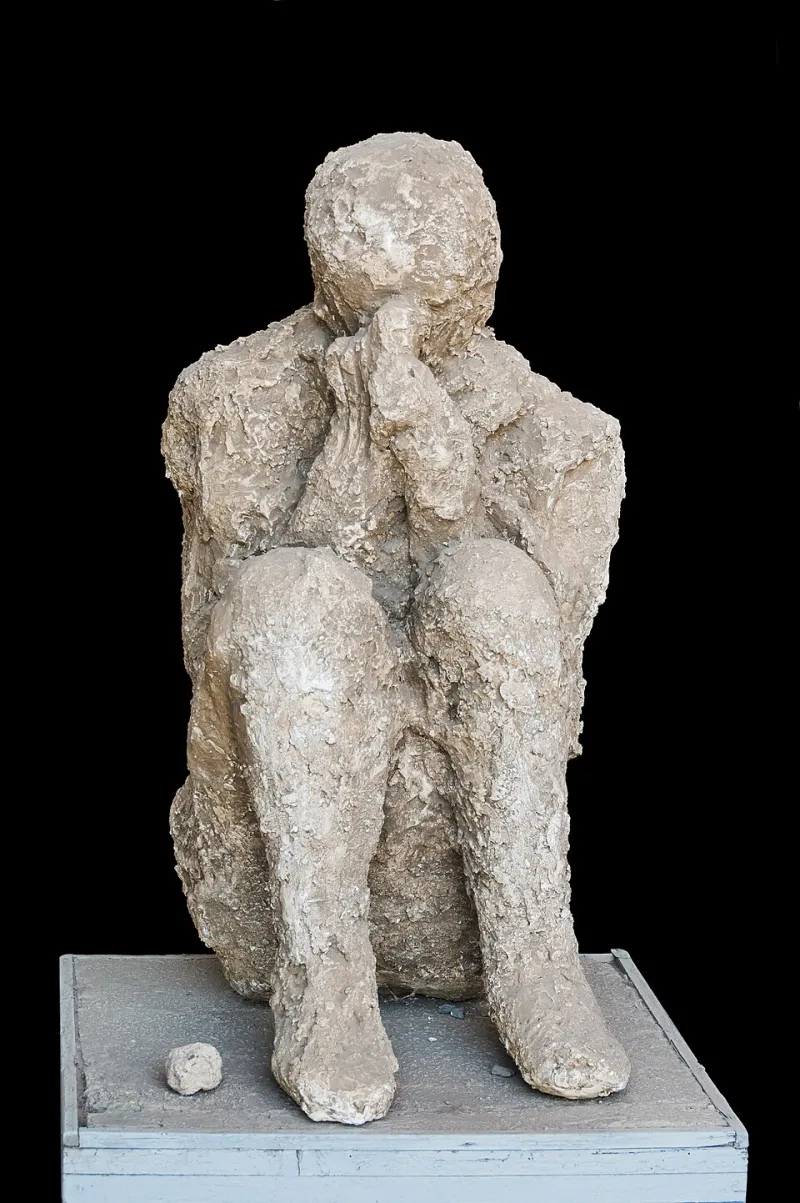
Photo: Jebulon, CC0, via Wikimedia Commons
You carved out ten minutes. You found a quiet corner of your apartment, pulled up a guided session, closed your eyes — and within about three minutes, your chest tightened, an old memory you hadn't thought about in years floated up uninvited, and you felt somehow more stressed than when you sat down.
So you quit. Figured it wasn't for you.
Here's the thing: that moment — the exact moment you stopped — is probably when your practice was just starting to do something real.
This is one of the most common and least talked-about experiences in meditation, and it derails more beginners than almost anything else. Let's break down what's actually happening in your brain, why the discomfort is a signal rather than a failure, and how to move through it instead of away from it.
Your Brain Has Been Running Away From Itself
Most of us spend the majority of our waking lives in motion — physically, mentally, digitally. We scroll, we multitask, we fill silence with podcasts and background noise. This isn't a character flaw. It's partly habit, and partly a coping strategy the nervous system develops over time to manage emotional overload.
When you sit down to meditate, you're essentially asking your brain to stop running. And for a lot of people, that's when everything that was being outpaced finally catches up.
Neuroscientists call part of this the default mode network (DMN) — a set of brain regions that become active when you're not focused on an external task. This is where self-referential thinking happens: memories, emotions, unresolved feelings, internal narratives. When you quiet external stimulation, the DMN gets louder. For someone who hasn't spent much time sitting with their inner world, that can feel jarring.
It's not that meditation is creating new problems. It's revealing the ones that were already there, humming quietly beneath the surface.
The Emotional Backlog Is Real
Think of your unprocessed emotions like a crowded waiting room. Every time life got hard and you pushed through without really sitting with it — the breakup you stayed busy through, the grief you distracted yourself from, the low-grade anxiety you've been managing with Netflix — those experiences took a number and sat down in that waiting room.
Meditation opens the door.
Research from institutions like Harvard and UCLA has shown that mindfulness practices can increase activity in the prefrontal cortex (the part of your brain responsible for emotional regulation) while also temporarily surfacing stored emotional content from the amygdala — your brain's threat-detection center. In plain terms: meditation helps you process emotion, but processing isn't always comfortable. It often looks a lot like feeling.
For many people, especially those dealing with anxiety, chronic stress, or unresolved trauma, this initial intensification can feel alarming. Therapists who work with mindfulness-based interventions even have a name for it: emotional flooding. It's not a sign you're broken. It's a sign your nervous system is finally paying attention.
Why Most People Quit at Exactly the Wrong Time
Here's the painful irony: the discomfort that sends people running from meditation is usually a sign that the practice is penetrating deep enough to actually matter. The first few sessions where nothing seems to happen? Those might be the ones where your defenses are still fully intact. The session where you suddenly feel anxious or sad for no obvious reason? That's contact.
This is similar to what happens in physical therapy. When you start working on a chronically tight muscle, it often hurts more before it gets better. The treatment is working — you're just in the part that doesn't feel like progress yet.
If you quit when the discomfort starts, you miss the release that comes after it.
Practical Ways to Navigate the Hard Stretch
None of this means you should white-knuckle your way through panic attacks in the name of mindfulness. There's a difference between productive discomfort and genuine distress, and your wellbeing always comes first. But if what you're experiencing feels more like restlessness, sadness, or an unexpected wave of emotion rather than a crisis — here are some ways to stay with it.
Start shorter, not longer. If ten minutes feels overwhelming, try five. Or three. Lowering the stakes removes the pressure that amplifies discomfort. You can always add time as you build tolerance.
Anchor to sensation. When emotions surge, bring your attention to something physical — the feeling of your feet on the floor, the temperature of the air coming in through your nose. Sensation is a grounding tool that keeps you present without asking you to analyze what's coming up.
Name what you notice. Researchers at UCLA found that labeling emotions — actually saying (or thinking) "this is anxiety" or "this is sadness" — reduces their intensity by activating the prefrontal cortex. It sounds almost too simple, but it works.
Use guided sessions with intention. Not all guided meditations are created equal. If you're going through a tender emotional stretch, look for body scan meditations or those specifically designed for emotional processing. Free Meditations has options built for exactly this kind of moment — no experience required.
Give yourself permission to stop if you need to. This is important. If something feels genuinely destabilizing, it's okay to open your eyes, take a walk, and come back another day. Especially if you have a history of trauma, working with a therapist alongside your meditation practice can make a significant difference.
What Comes After the Hard Part
Most people who push gently through the uncomfortable early weeks of meditation report something that's hard to describe until you've felt it: a kind of spaciousness. A sense that emotions can move through without taking over. A quieter relationship with thoughts that used to feel like commands.
That's not magic. That's your nervous system learning, slowly and imperfectly, that it can handle what's inside — that it doesn't have to keep running.
The discomfort at the beginning isn't a detour. It's the path. And knowing that ahead of time might be the one thing that keeps you from walking away at the exact moment everything is starting to shift.
You're not failing at meditation. You're just in the part nobody talks about enough. Keep going.